Blog
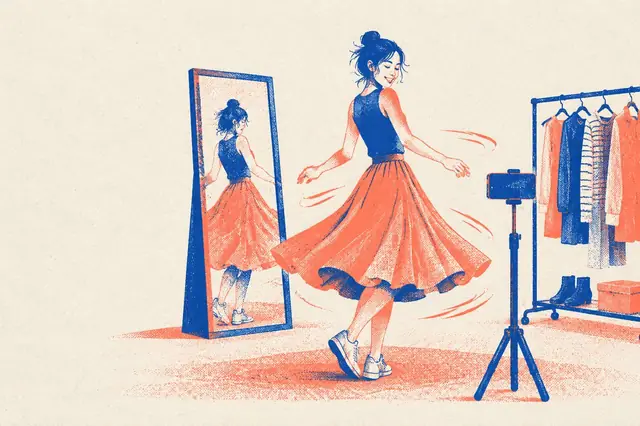
How to Shoot Outfit Videos (OOTD): 6 Content Structures, 10 Poses That Show Fit in Motion, and Seamless Outfit Transitions
The biggest trap in outfit videos is looking pretty without giving viewers any useful information. Learn 6 proven OOTD video structures, 10 dynamic movements that show off cut and fabric, camera and lighting setups, seamless outfit transitions, and how to sell clothing without sounding pushy.
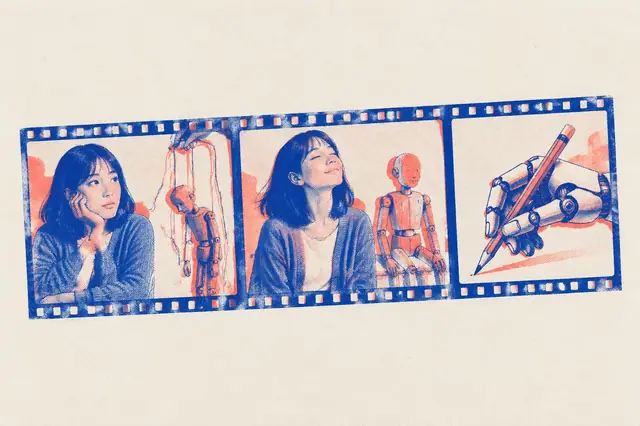
How to Fix Inconsistent Characters and Stiff Motion in AI Videos: Character References, Action Splitting, Hands & Foot Sliding
Characters changing faces between shots, puppet-like motion, broken hands, feet sliding like ice skates. Using Seedance 2.0 / 2.5 as the example, this guide covers how to prepare reference images (whether or not your model accepts real-person photos), how to bind them in the prompt, how to reference and describe motion, and a workflow built on multi-shot generation, extension and video editing.

How to Extract Scripts from Short Videos: 4 Ways to Turn Douyin, Xiaohongshu, and TikTok Clips Into Text (And Rewrite Them Into Your Own)
Want to pull the spoken lines and on-screen text out of a short video to study how it works? We compare 4 ways to extract video scripts—manual transcription, editing software auto-captions, general speech-to-text tools, and video breakdown tools—plus how to turn raw text into a 3-column storyboard and rewrite it into original content.

How to Hook Viewers in the First 3 Seconds: 5 Hook Types + 40 Copy-Ready Opening Templates
You have less than 3 seconds before a viewer swipes away. This guide breaks short video hooks into 5 core categories—Suspense, Contrast, Visual Spectacle, Pain Point, and Conflict—explaining how each works on screen and in copy, plus 40 ready-to-adapt opening lines and 6 common mistakes.
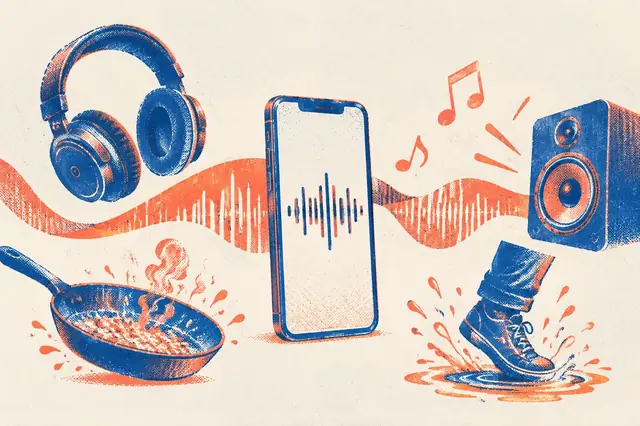
Short Video Sound Design: Room Tone, Foley, Beat-Synced BGM, and the Power of Sudden Silence (With Sound Checklist)
Audio carries half the weight of a video's feel, yet most creators slap it on in the last five minutes of editing. Learn the 4-layer sound structure for short videos (voice, room tone, Foley, BGM), how to use sudden silence and J/L-cuts, plus a scene-by-scene sound design cheat sheet.

Breaking the Fourth Wall in Short Videos: How to Guide Viewer Engagement Without Ruining the Story (5 Techniques + Timing Chart)
When a character suddenly turns to the camera and speaks to the audience, it can set the comment section on fire—or instantly ruin the illusion. Here are 5 ways to break the fourth wall, a timing chart for when to do it, and how to write lines that stay completely in character.

How to End a Short Video: 5 Ending Types + 20 CTA Templates That Drive Comments, Follows, and Sales
Plenty of short videos nail the first three seconds and then fizzle out at the end. Here is a breakdown of 5 ending styles across story, e-commerce, talking-head, and tutorial videos, 20 ready-to-use CTA templates, and the 6 most common ending mistakes.
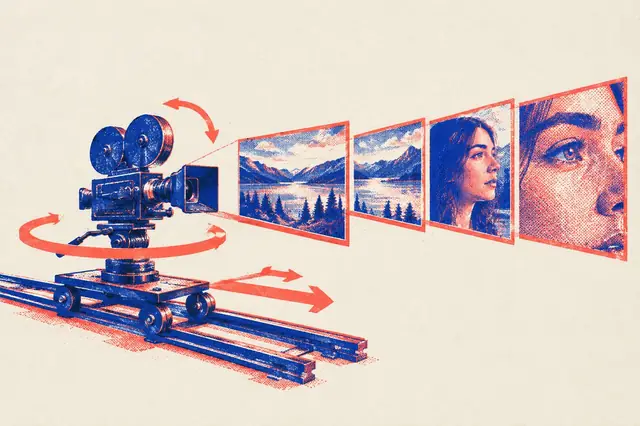
The Complete Guide to Shot Sizes & Camera Movements: 8 Framing Sizes, 12 Moves, Shot-Reverse-Shot & Slow Motion (With AI Video Prompts)
Flat, repetitive camera work is the fastest way to make a short video feel dull. This guide breaks down the storytelling role of 8 shot sizes from extreme wide to extreme close-up, the emotional feel of 12 camera movements, when to use shot-reverse-shot and slow motion, plus ready-to-copy bilingual AI video prompts.

Visualizing Selling Points: How to Show Pain Points and Features on Camera in Product Videos (12 Shot Techniques + Category Cheat Sheet)
When a product video fails to convert, the script usually isn't the problem—it's that the selling points are only talked about, never seen. Here are 12 camera techniques to make selling points visual, from stress tests and macro close-ups to try-on motion and before-and-after shots, plus a cheat sheet across 6 major product categories.

How to Write a 15-Second Story Video Script: Front-Load Conflict, One Twist, and an Open Hook (Plus 6 Templates)
A 15-second story video has zero room for slow buildup. Here is a second-by-second breakdown of how to front-load conflict, land a single twist, and end on a hook—complete with line-length rules and 6 ready-to-use script templates across family, workplace, and underdog themes.

How to Write Seedance 2.5 Prompts: Differences from 2.0, Timestamped Shots and Reference Mapping
A Seedance 2.5 prompt guide based on Volcengine Ark's official docs: how it differs from 2.0 (15→30s clips, 15→50 references, per-second timestamps, 1080p 10-bit, MOV output), the official four-part structure, timestamped shots, reference mapping, editing and extension, dialogue/subtitle/audio symbols and troubleshooting — plus a 30-second template.

Getting Viewers to Watch Twice Without Noticing: Action Suspense, Familiar Rituals, and the Seamless Replay Loop
Three reusable methods that get viewers to rewatch a short video without noticing: the five-beat formula of action suspense, five-step compression of familiar rituals, and three ways to build a seamless replay loop — plus four technical details, three ready-to-use timeline templates, five common failures, and a ten-point pre-publish checklist.

Six Kinds of Micro-Physics Feedback That Decide AI Video Realism: Contact, Weight, Environmental Response, Eyelines, Reaction Delay, and Sound
Sharp frames and cinematic lighting still won't make AI video feel real if the small physics are missing. This guide breaks down six kinds of micro-feedback — contact deformation, weight in motion, environmental response, eyelines, reaction delay, and action-locked sound — with before/after prompt examples, editing salvage tricks, and a shot-by-shot realism checklist.

The Three-Track Division of Labor in Short Video: How Spoken Lines, On-Screen Text, and Action Work Together
Most short videos don't run out of room — their voiceover, text overlays, and visuals all repeat the same line. This guide breaks down the three-track system: spoken lines explain why, on-screen text pins the facts, action supplies the proof — plus the one-lead-channel rule, four relay handoff techniques, a five-level process structure, three turn-it-off tests, and a nine-point script checklist.

Video Creation Terminology
A creator-facing glossary of film and video terms across nine areas — editing, shot size, camera movement, composition, lighting, color, sound, narrative structure, and psychology — each with a plain meaning and when to use it. J-cut / L-cut, MacGuffin, uncanny valley, chiaroscuro: naming a technique is the first step to reusing it on purpose.

The Visual Rhetoric and Structure of AI-Generated Creative Ads: Spectacle, Morphing, and Product Binding
Dissecting AI-generated creative ads as visual rhetoric: the result-first hook, the four motifs of physical impossibility, five paradigms for growing the product out of the spectacle, a recipe for surreal transitions, the one-spectacle-one-selling-point causal chain, and sound design as physical underwriting plus an anti-cheap checklist.

The Persuasion Architecture of Solo Talking-Head Video: Openings, Information Sequencing, and Conversion Paths in Cognition-Driven Content
A reusable persuasion-engineering breakdown of solo talking-head video: the 12-second information arc, opening-line templates, the setup-dismantle-elevate-call-to-action structure, memorable aphorism anchors, shot-scale pressure, and soft-conversion CTAs, examined with ethical neutrality toward its emotional mechanics.

The Narrative Structure and Emotional Pacing of Chinese Micro-Dramas: A Reusable Methodology
A reusable methodology for Chinese micro-dramas: it dissects the face-slap formula matrix, omniscient information asymmetry, the three-tier bystander apparatus, the 75%–90% payoff timing, and structural ratios by length — teaching you to engineer the emotion of catharsis.

Como escolher um site de vídeo para prompt: checklist de 2026 e 6 critérios
Procura um site de vídeo para prompt confiável? Este checklist de 2026 compara os 6 critérios que importam — análise de links, transcrição, desacoplamento de planos, exportação de prompts, roteiro de produção e preço — e mostra onde o VideoLens se encaixa em cada um.

Como fazer a engenharia reversa de um vídeo em prompts de IA: guia 2026 + ferramenta online grátis
A engenharia reversa de um vídeo em prompts transforma um clipe existente nos prompts de IA por trás dele. Este guia cobre o que é, os fluxos manual e com ferramenta, o que você pode extrair (transcrição, decupagem detalhada de planos, prompts do Seedance 2.0, um roteiro pronto para gerar) e como escolher uma ferramenta — cole um link do Douyin/Xiaohongshu no VideoLens e faça em um clique.

Como fazer vídeos de produto que vendam: a fórmula do gancho ao CTA
Uma análise de ganchos, técnicas de prova, estruturas narrativas e CTAs em vídeos curtos de produto — os clipes mais bem-sucedidos transformam argumentos de venda em prova visível, e um CTA ausente é a perda silenciosa mais comum. Um guia prático para vídeos curtos de produto.

A lógica por trás dos vídeos curtos virais: nove lições do gancho ao corte final
Depois de decompor um grande número de vídeos curtos, fica claro: os virais não são mistério — são engenharia. Este artigo cobre nove dimensões desde a seleção do tema até o corte final, mais dez descobertas profundamente contraintuitivas, todas diretamente aplicáveis.

14 colorizações cinematográficas (com prompts de IA)
Um guia completo de 14 colorizações cinematográficas — teal & orange, bleach bypass, filme vintage, Morandi, neon cyberpunk, retrô de Hong Kong e mais — cada uma com um exemplo em vertical e prompts de IA prontos para copiar para Sora, Kling, Runway e Midjourney.

Como escrever prompts para Seedance 2.0: estrutura de planos + a fórmula dos 8 elementos
Um guia claro para escrever prompts de texto do Seedance 2.0 (Doubao) — o modelo espaço × tempo, a fórmula dos 8 elementos, o sequenciamento plano a plano, a externalização de ação e emoção, os movimentos de câmera, as palavras de qualidade e restrição e a convenção de símbolos de áudio/diálogo. Além disso, como o VideoLens transforma um vídeo de referência nessa estrutura com um clique.

14 estilos de iluminação cinematográfica (com prompts de IA)
Um guia completo de 14 estilos de iluminação cinematográfica — Rembrandt, borboleta, luz de contorno, silhueta em contraluz, golden hour, blue hour, neon, volumétrica e mais — cada um com um exemplo de retrato e prompts de IA bilíngues prontos para copiar para Sora, Kling, Runway e Midjourney.
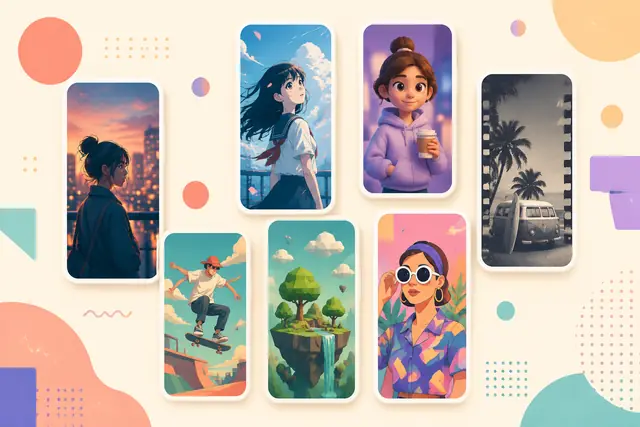
21 estilos visuais virais para vídeos curtos (com prompts de IA)
Um guia completo de 21 estilos visuais virais para vídeos curtos — tinta chinesa, Ghibli, 3D estilo Pixar, claymation, cyberpunk, deserto pós-apocalíptico e mais — cada um com uma imagem de referência na vertical e prompts de IA bilíngues prontos para copiar, compatíveis com Sora, Kling e Runway.