專欄
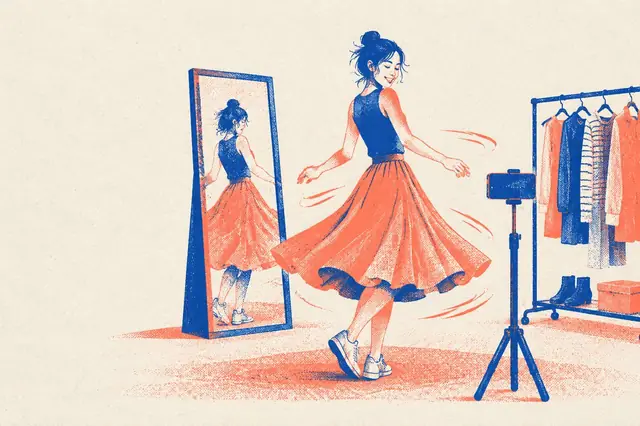
How to Shoot Outfit Videos (OOTD): 6 Content Structures, 10 Poses That Show Fit in Motion, and Seamless Outfit Transitions
The biggest trap in outfit videos is looking pretty without giving viewers any useful information. Learn 6 proven OOTD video structures, 10 dynamic movements that show off cut and fabric, camera and lighting setups, seamless outfit transitions, and how to sell clothing without sounding pushy.

How to Fix Inconsistent Characters and Stiff Motion in AI Videos: Character References, Action Splitting, Hands & Foot Sliding
Characters changing faces between shots, puppet-like motion, broken hands, feet sliding like ice skates. Using Seedance 2.0 / 2.5 as the example, this guide covers how to prepare reference images (whether or not your model accepts real-person photos), how to bind them in the prompt, how to reference and describe motion, and a workflow built on multi-shot generation, extension and video editing.

How to Extract Scripts from Short Videos: 4 Ways to Turn Douyin, Xiaohongshu, and TikTok Clips Into Text (And Rewrite Them Into Your Own)
Want to pull the spoken lines and on-screen text out of a short video to study how it works? We compare 4 ways to extract video scripts—manual transcription, editing software auto-captions, general speech-to-text tools, and video breakdown tools—plus how to turn raw text into a 3-column storyboard and rewrite it into original content.

How to Hook Viewers in the First 3 Seconds: 5 Hook Types + 40 Copy-Ready Opening Templates
You have less than 3 seconds before a viewer swipes away. This guide breaks short video hooks into 5 core categories—Suspense, Contrast, Visual Spectacle, Pain Point, and Conflict—explaining how each works on screen and in copy, plus 40 ready-to-adapt opening lines and 6 common mistakes.
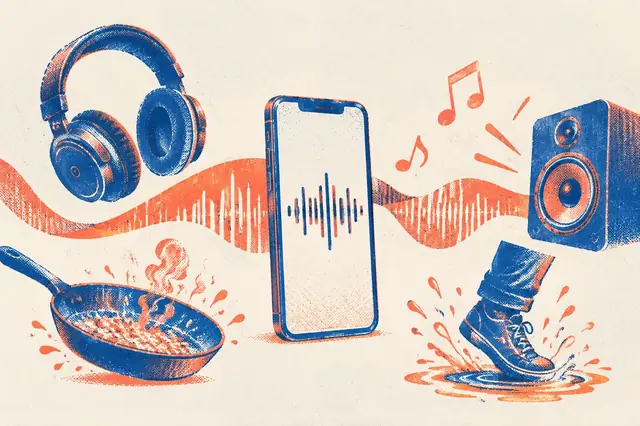
Short Video Sound Design: Room Tone, Foley, Beat-Synced BGM, and the Power of Sudden Silence (With Sound Checklist)
Audio carries half the weight of a video's feel, yet most creators slap it on in the last five minutes of editing. Learn the 4-layer sound structure for short videos (voice, room tone, Foley, BGM), how to use sudden silence and J/L-cuts, plus a scene-by-scene sound design cheat sheet.

Breaking the Fourth Wall in Short Videos: How to Guide Viewer Engagement Without Ruining the Story (5 Techniques + Timing Chart)
When a character suddenly turns to the camera and speaks to the audience, it can set the comment section on fire—or instantly ruin the illusion. Here are 5 ways to break the fourth wall, a timing chart for when to do it, and how to write lines that stay completely in character.

How to End a Short Video: 5 Ending Types + 20 CTA Templates That Drive Comments, Follows, and Sales
Plenty of short videos nail the first three seconds and then fizzle out at the end. Here is a breakdown of 5 ending styles across story, e-commerce, talking-head, and tutorial videos, 20 ready-to-use CTA templates, and the 6 most common ending mistakes.
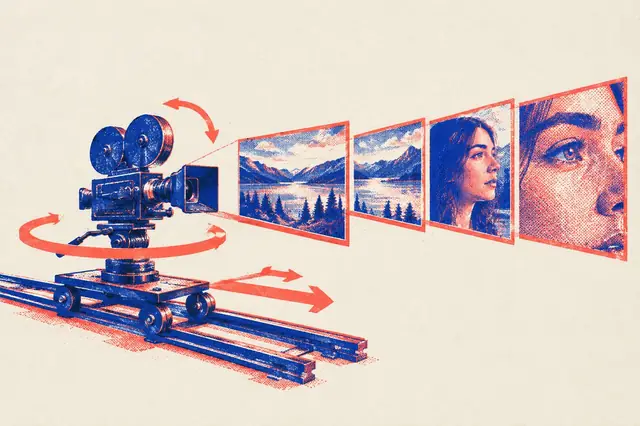
The Complete Guide to Shot Sizes & Camera Movements: 8 Framing Sizes, 12 Moves, Shot-Reverse-Shot & Slow Motion (With AI Video Prompts)
Flat, repetitive camera work is the fastest way to make a short video feel dull. This guide breaks down the storytelling role of 8 shot sizes from extreme wide to extreme close-up, the emotional feel of 12 camera movements, when to use shot-reverse-shot and slow motion, plus ready-to-copy bilingual AI video prompts.

Visualizing Selling Points: How to Show Pain Points and Features on Camera in Product Videos (12 Shot Techniques + Category Cheat Sheet)
When a product video fails to convert, the script usually isn't the problem—it's that the selling points are only talked about, never seen. Here are 12 camera techniques to make selling points visual, from stress tests and macro close-ups to try-on motion and before-and-after shots, plus a cheat sheet across 6 major product categories.

How to Write a 15-Second Story Video Script: Front-Load Conflict, One Twist, and an Open Hook (Plus 6 Templates)
A 15-second story video has zero room for slow buildup. Here is a second-by-second breakdown of how to front-load conflict, land a single twist, and end on a hook—complete with line-length rules and 6 ready-to-use script templates across family, workplace, and underdog themes.
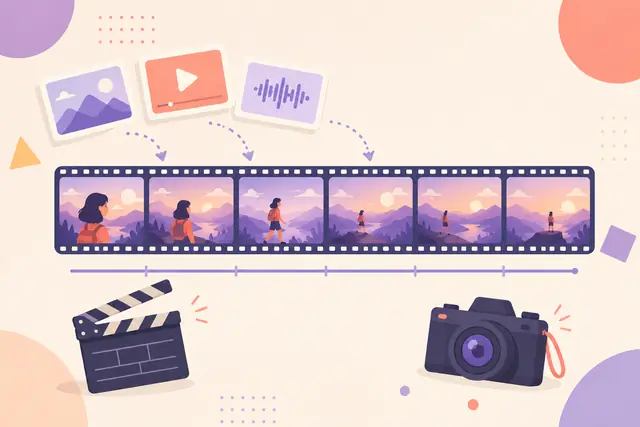
How to Write Seedance 2.5 Prompts: Differences from 2.0, Timestamped Shots and Reference Mapping
A Seedance 2.5 prompt guide based on Volcengine Ark's official docs: how it differs from 2.0 (15→30s clips, 15→50 references, per-second timestamps, 1080p 10-bit, MOV output), the official four-part structure, timestamped shots, reference mapping, editing and extension, dialogue/subtitle/audio symbols and troubleshooting — plus a 30-second template.

Getting Viewers to Watch Twice Without Noticing: Action Suspense, Familiar Rituals, and the Seamless Replay Loop
Three reusable methods that get viewers to rewatch a short video without noticing: the five-beat formula of action suspense, five-step compression of familiar rituals, and three ways to build a seamless replay loop — plus four technical details, three ready-to-use timeline templates, five common failures, and a ten-point pre-publish checklist.

Six Kinds of Micro-Physics Feedback That Decide AI Video Realism: Contact, Weight, Environmental Response, Eyelines, Reaction Delay, and Sound
Sharp frames and cinematic lighting still won't make AI video feel real if the small physics are missing. This guide breaks down six kinds of micro-feedback — contact deformation, weight in motion, environmental response, eyelines, reaction delay, and action-locked sound — with before/after prompt examples, editing salvage tricks, and a shot-by-shot realism checklist.

The Three-Track Division of Labor in Short Video: How Spoken Lines, On-Screen Text, and Action Work Together
Most short videos don't run out of room — their voiceover, text overlays, and visuals all repeat the same line. This guide breaks down the three-track system: spoken lines explain why, on-screen text pins the facts, action supplies the proof — plus the one-lead-channel rule, four relay handoff techniques, a five-level process structure, three turn-it-off tests, and a nine-point script checklist.

影片創作術語
一份面向創作者的影視術語速查:剪輯轉場、景別機位、運鏡、構圖、光影、色彩、聲音、敘事結構、心理機制九大類,每個術語都配「一句話意思+什麼時候用」。看懂拆解與教學裡飛過的黑話,才能把手法變成自己能複用的工具。

The Visual Rhetoric and Structure of AI-Generated Creative Ads: Spectacle, Morphing, and Product Binding
Dissecting AI-generated creative ads as visual rhetoric: the result-first hook, the four motifs of physical impossibility, five paradigms for growing the product out of the spectacle, a recipe for surreal transitions, the one-spectacle-one-selling-point causal chain, and sound design as physical underwriting plus an anti-cheap checklist.

The Persuasion Architecture of Solo Talking-Head Video: Openings, Information Sequencing, and Conversion Paths in Cognition-Driven Content
A reusable persuasion-engineering breakdown of solo talking-head video: the 12-second information arc, opening-line templates, the setup-dismantle-elevate-call-to-action structure, memorable aphorism anchors, shot-scale pressure, and soft-conversion CTAs, examined with ethical neutrality toward its emotional mechanics.

The Narrative Structure and Emotional Pacing of Chinese Micro-Dramas: A Reusable Methodology
A reusable methodology for Chinese micro-dramas: it dissects the face-slap formula matrix, omniscient information asymmetry, the three-tier bystander apparatus, the 75%–90% payoff timing, and structural ratios by length — teaching you to engineer the emotion of catharsis.

影片反推提示詞網站怎麼選?2026 選型清單 + 6 個比較面向
想找一個可靠的影片反推提示詞網站(反推影片提示詞網站)?本文提供 2026 選型清單:從連結解析、台詞轉寫、分鏡解耦、提示詞匯出、創作劇本到價格的 6 個比較面向,並說明 VideoLens 在每一項上的做法,幫你快速選對反推提示詞網站。

影片反推提示詞怎麼做?2026 完整指南 + 免費線上網站
影片反推提示詞=把一段現成影片反向拆解成它背後的 AI 提示詞(也叫影片提示詞反推、反推影片提示詞)。本文講清楚它是什麼、手動 vs 用反推網站怎麼做、能反推出哪些內容(逐字稿/深度分鏡/適配 Seedance 2.0 的提示詞/可直接生成的創作劇本),以及反推影片提示詞網站怎麼選。用 VideoLens 貼上抖音、小紅書連結即可一鍵反推。

帶貨短影片怎麼拍:從鉤子到 CTA 的爆款底層公式
拆解帶貨/電商/種草短影片的鉤子、證據手法、敘事結構與 CTA 規律——絕大多數爆款都在把賣點變成可見證據,而漏掉 CTA 是最常見的隱形浪費。一篇講透帶貨短影片拍法的實戰指南。

短影片爆款底層邏輯:從選題到成片的九堂課
在我拆解了大量短影片之後,發現爆款從來不是玄學,是工程。這篇文章整理了從選題到成片的九個維度,加上10個最反直覺的發現,每一條都可以直接落地執行。

電影調色大全:14 種高級色調風格 + AI 提示詞
一次看懂 14 種電影級調色——青橙大片、漂白旁路、復古膠片、莫蘭迪、賽博霓虹、港風、日系清新、黑白等,每種配直式示例圖與可直接複製的中英文 AI 提示詞(Sora / 可靈 / 即夢 / Runway / Midjourney 通用)。

Seedance 2.0 提示詞怎麼寫:分鏡結構 + 八要素公式(附一鍵生成)
一篇講清楚 Seedance 2.0(豆包/即夢)文字提示詞怎麼寫——空間層 × 時間層、八要素進階公式、分鏡時序、動作與情緒外化、運鏡/畫質/約束詞、音訊台詞符號規範。文末說明如何用 VideoLens 從一條參考影片一鍵生成這套結構。不含多素材參考生影片。

電影級打光大全:14 種佈光風格 + AI 提示詞
一次看懂 14 種電影級打光——林布蘭光、蝴蝶光、輪廓光、逆光剪影、黃金時刻、藍調時刻、霓虹、體積光、低調/高調光等,每種都配人像示例圖與可直接複製的中英文 AI 提示詞(Sora / Kling / 即夢 / Runway / Midjourney 通用)。
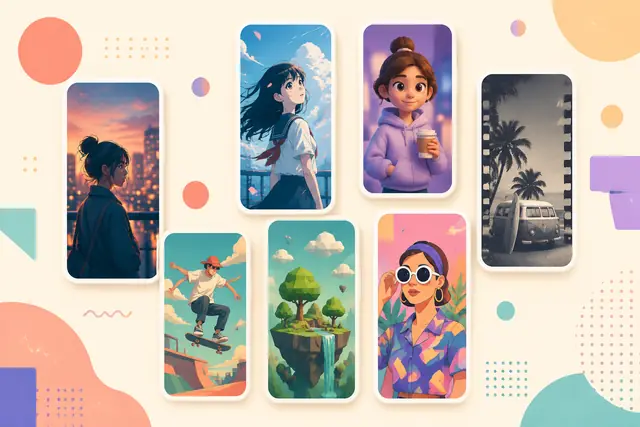
短影片視覺風格大全:21 種爆款風格 + AI 提示詞
一次看懂 21 種爆款短影片視覺風格——國風水墨、吉卜力、Pixar 3D、黏土/羊毛氈定格、賽博龐克、廢土末世、工筆重彩、童書插畫等,每種都附直式示例圖與可直接複製的中英文 AI 影片提示詞(Sora/可靈/即夢/Runway 通用)。